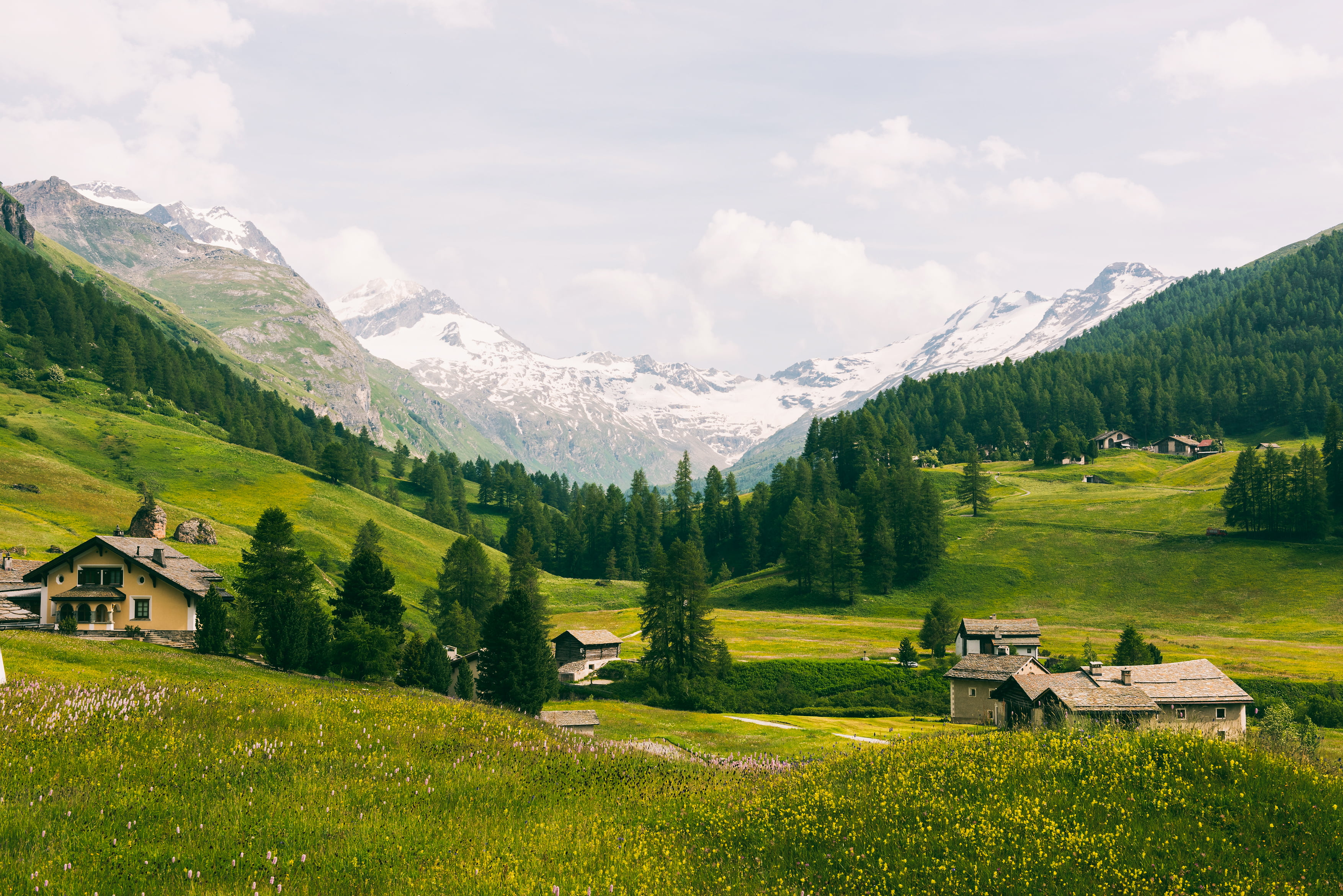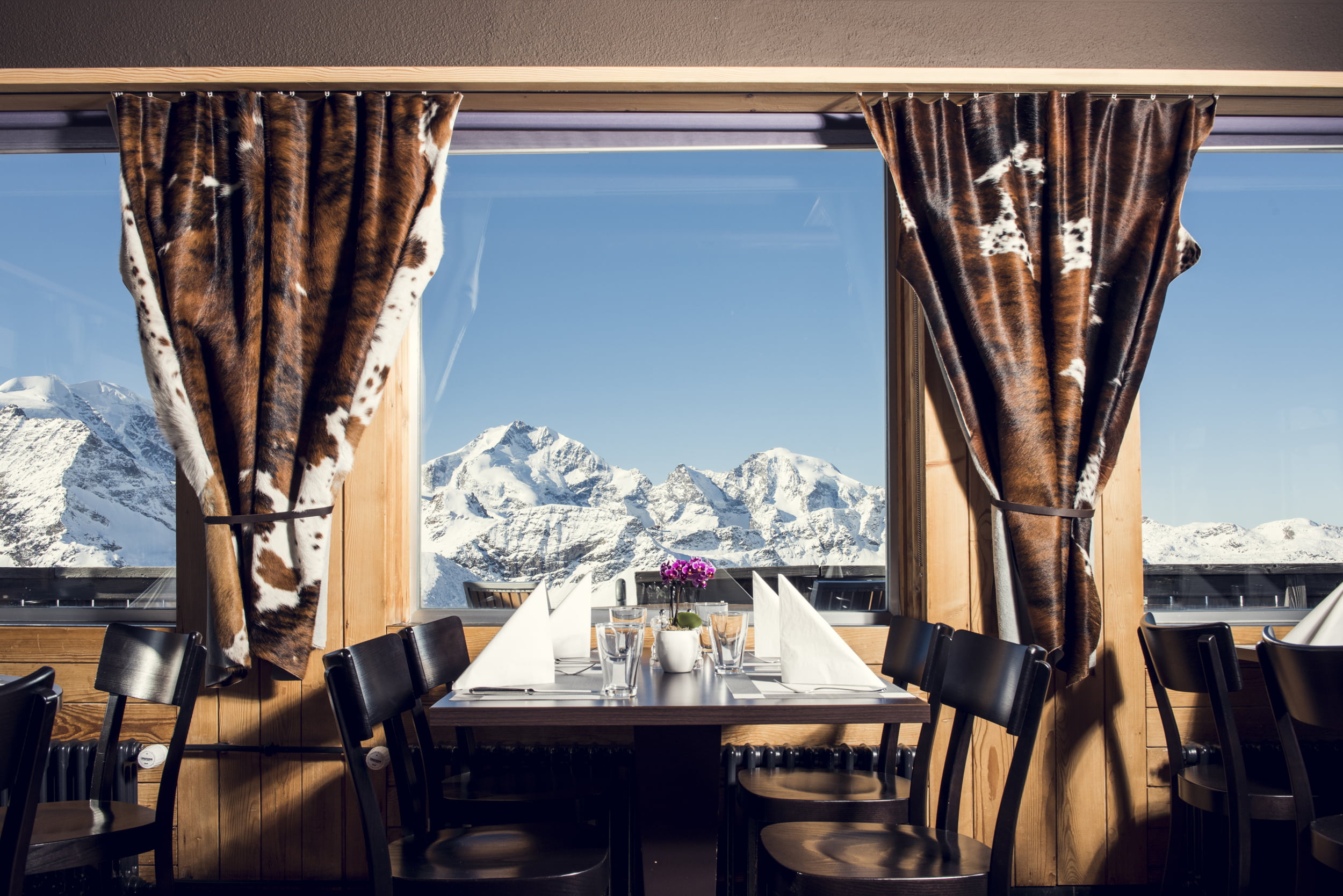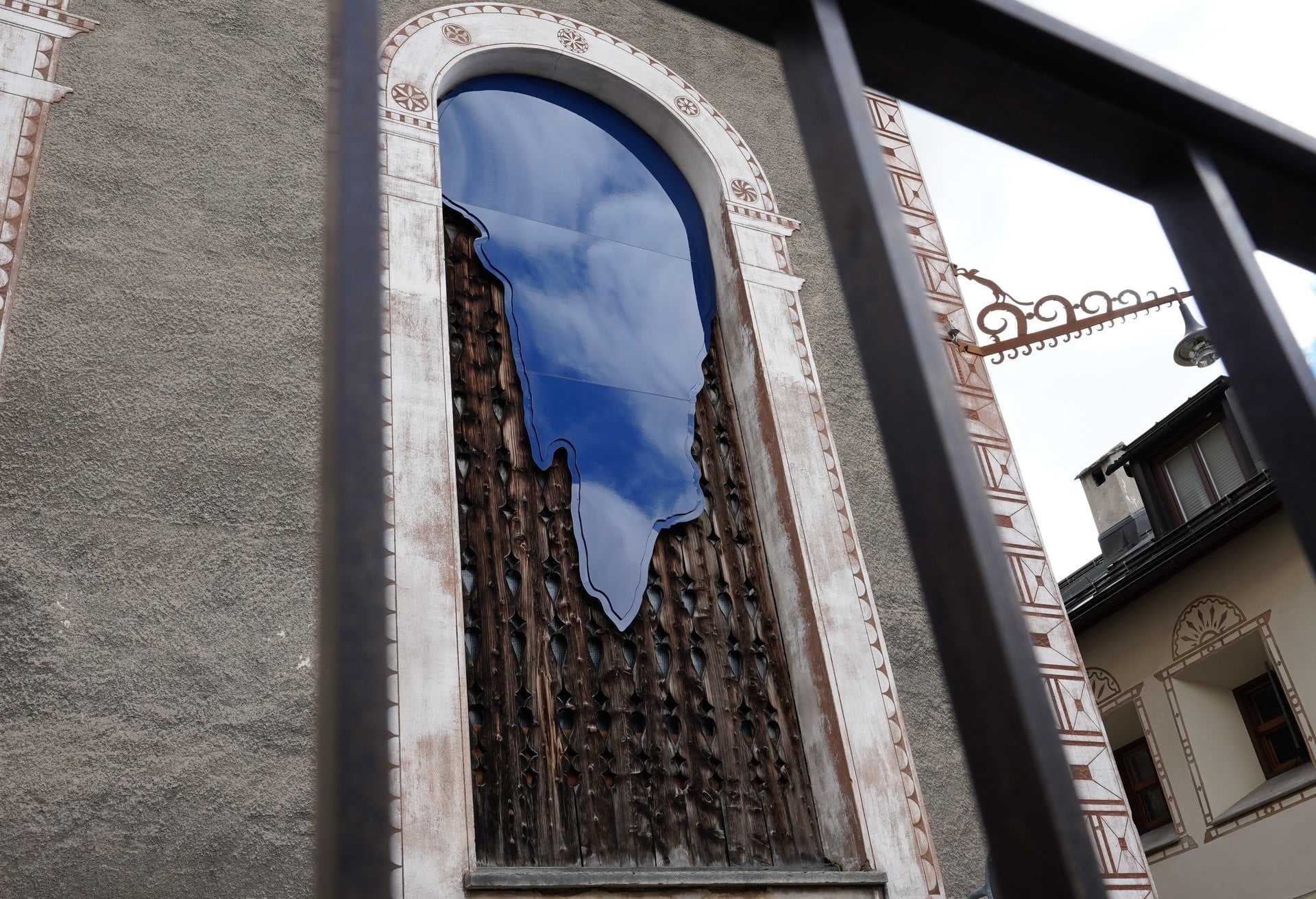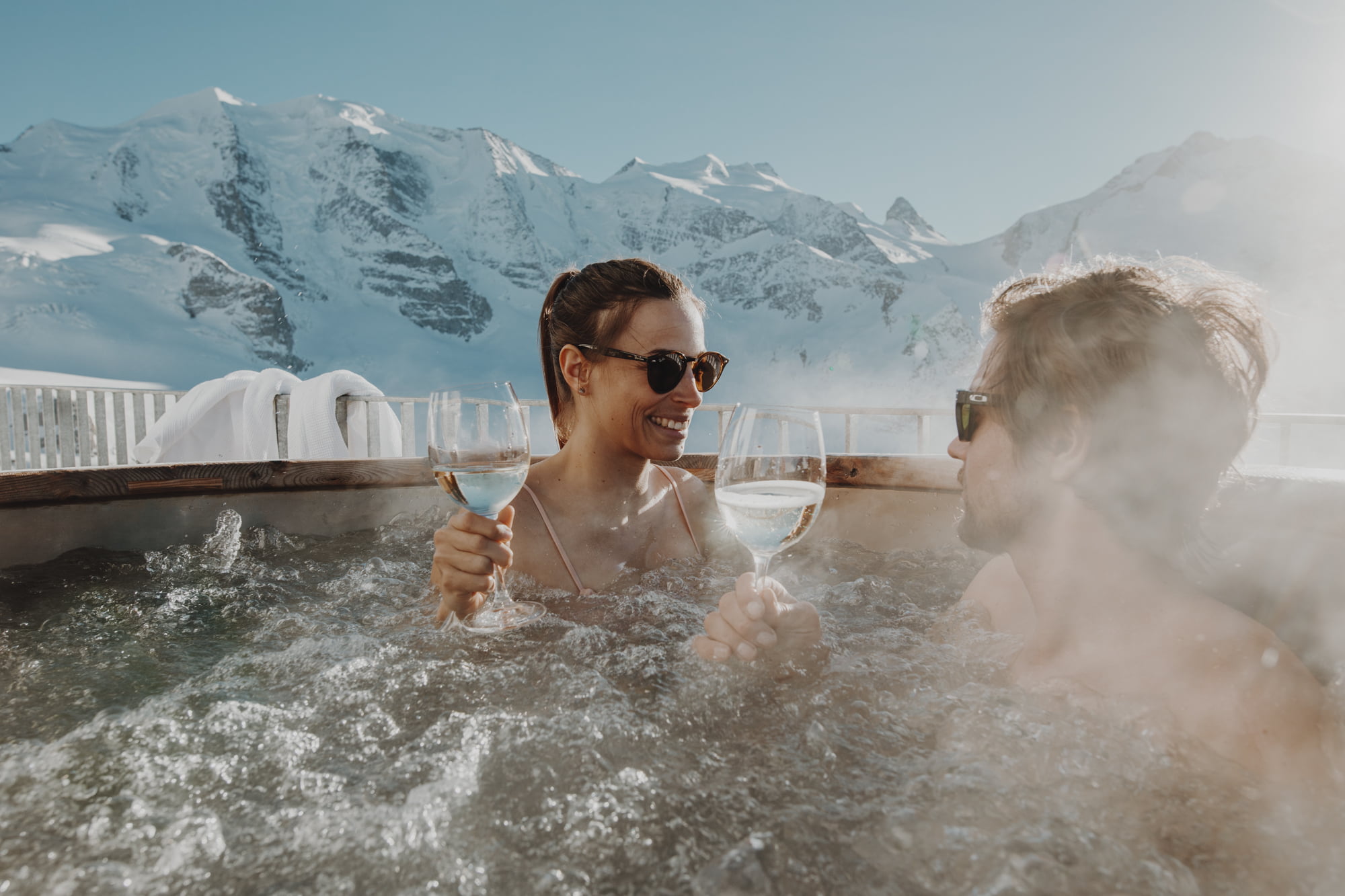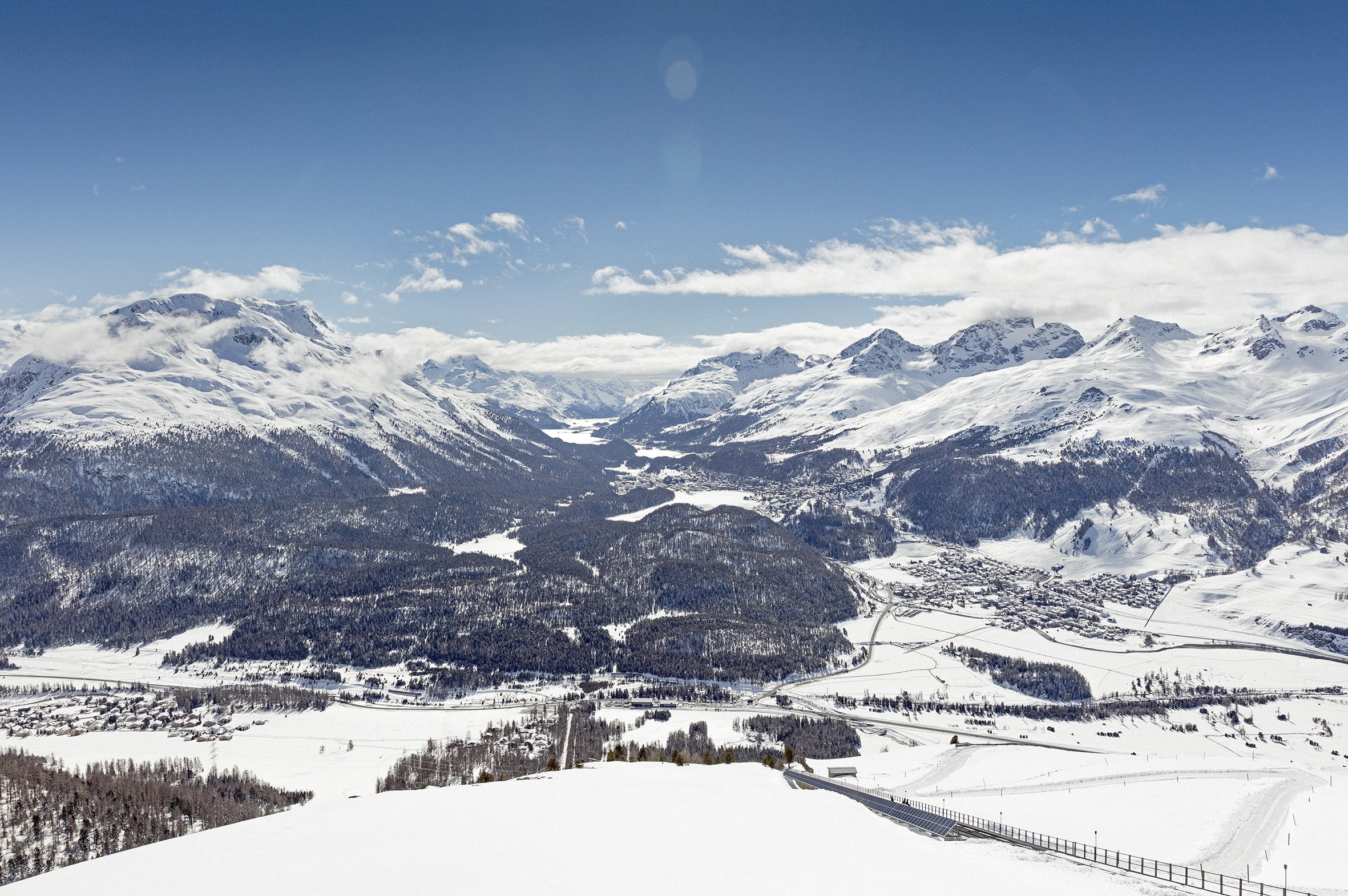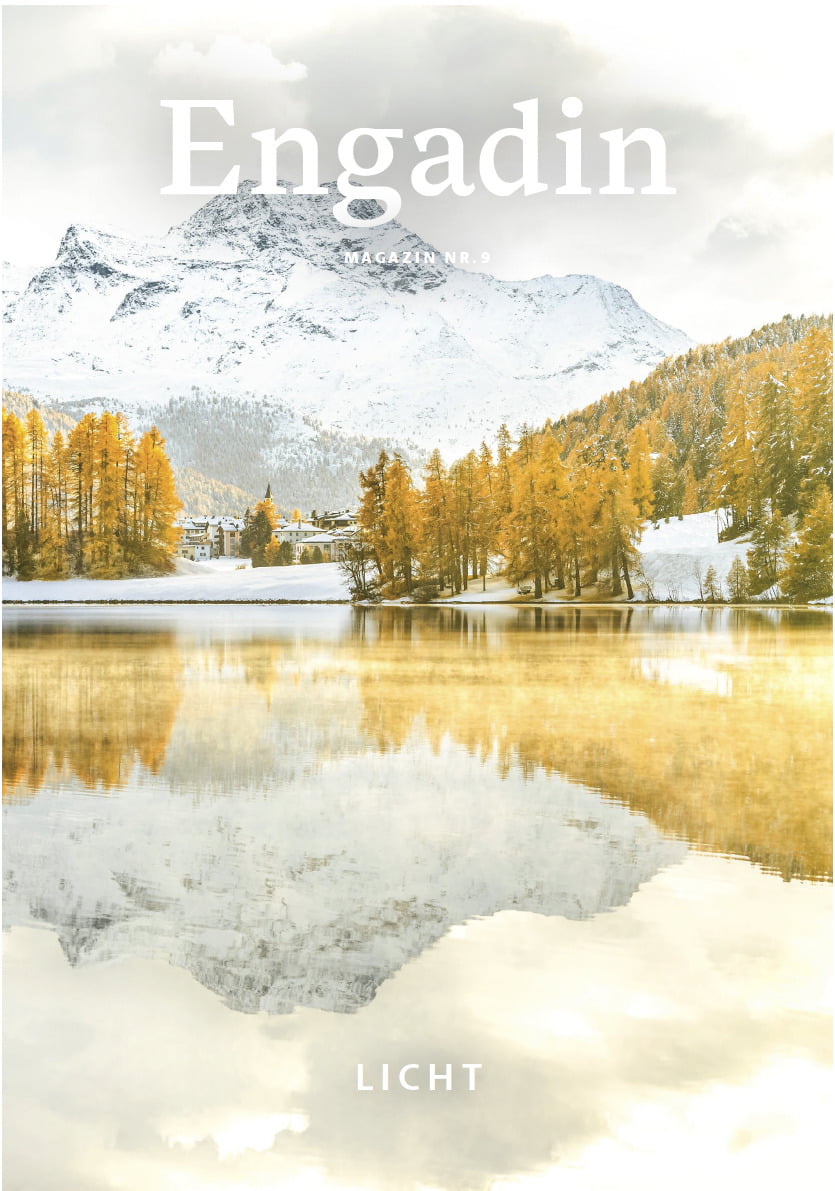
Mountains, lakes and a special quality of light combine to create a magical effect in the Engadin. Add villages full of variety, inspiring people and an impression of infinite space, and you have a region guaranteed to enchant every visitor. Not convinced? Try the intelligent search function.
Without a doubt, those who travel to the Engadin will be smitten with its charms. The landscape in the midst of the glorious Grisons’s Alps is simply too lovely, too full of surprises, too multifaceted and just too beautiful to resist. With its majestic mountains, bright blue lakes and deep-rooted traditions, the Engadin never ceases to amaze us with boundless possibilities to discover in both its nature & culture. Whether through adventure or leisure activities – exploring our region is always a real treat!
Do you value the special, appreciate the extraordinary and are always on the lookout for undiscovered treasures? Then our new newsletters are just the thing for you!
>> Newsletter registration
First of all, you will need a place to stay as the more time you spend in the Engadin, the more moments of happiness you will experience. Also, don’t miss out on our great bus & (mountain) railway offers - take advantage of our deals and explore far and wide!